
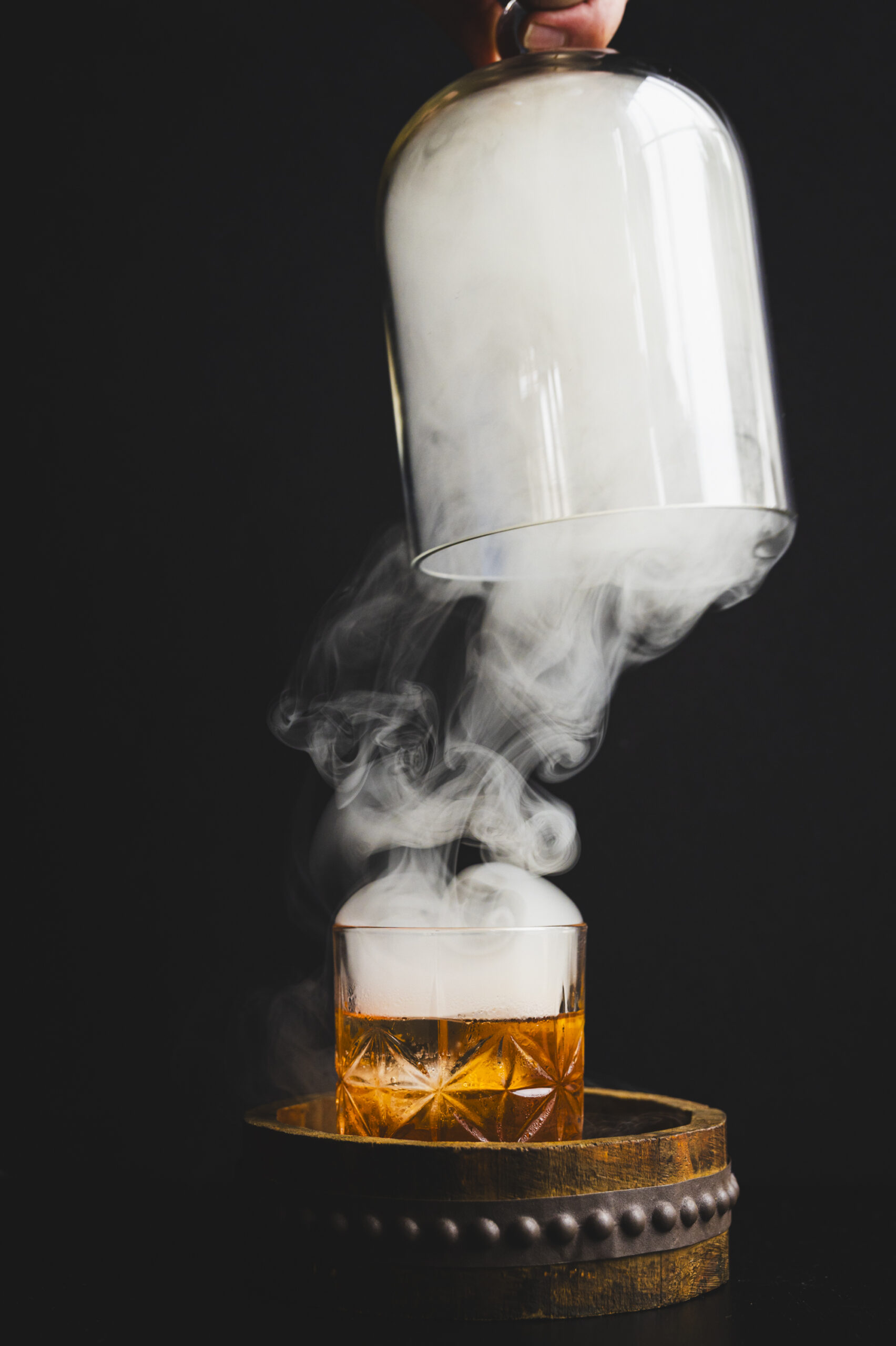
We’re at an interesting point in visual content right now.
AI is everywhere. And while much of it feels generic or clearly “not human,” I’ve been exploring how to use AI as a complement — not a replacement — to what I already do as a San Francisco Bay Area Food & Beverage Photographer.
Recently, I began testing tools that allow me to elevate my clients’ content after the photo session — transforming custom, intentionally lit images into short, high-quality motion pieces.
Same visuals.
Same brand essence.
New format.
And honestly? The results surprised me (in the best way).
Why Motion Matters More Than Ever in Brand Content
Today, brands need more than static images.
Websites, social media, presentations, and digital campaigns increasingly rely on movement to capture attention and tell a story quickly.
But creating video from scratch isn’t always realistic for every client or every shoot.
This is where turning photography into motion becomes incredibly valuable:
it allows brands to expand their visual content using assets they already have — without compromising quality or consistency.
The Process: From Photo Sequence to Video
What makes this different from generic AI video tools is that the foundation is real, human-crafted photography.
During my sessions, I don’t just think in single frames — I photograph in sequence. This is especially important in restaurant photography, hospitality branding, and cookbook work, where storytelling matters.
Here’s how the process works:
Step 1: Photograph With Motion in Mind
During a session — whether it’s a workshop at Seventh & Dolores or a commercial food shoot — I capture subtle sequences:
- A cocktail being garnished
- A dish plated with slight movement
- Steam rising naturally
- A shift in perspective from 45° to top-down
Each frame is designed to flow into the next. The lighting is consistent. The composition builds. The story unfolds.
This is strategic visual storytelling.
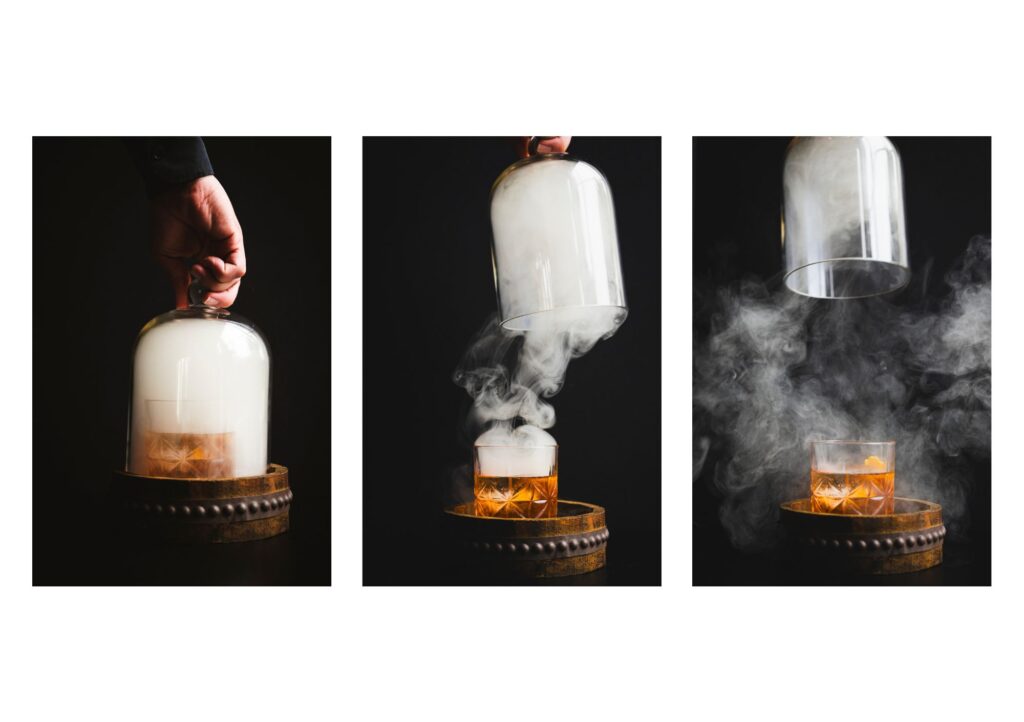
The images featured in this post were photographed during my Savor The Light Workshop in Carmel at Seventh & Dolores Steakhouse — a beautiful setting where light, texture, and storytelling come together naturally.
Step 2: Feed the Sequence Into AI
Using AI tools like Nano Banana, I upload the image sequence and guide the system to interpret the flow, depth, and transitions.
Step 3: Refine and Deliver
The result is a short, polished video that feels organic — not artificial — and stays true to the original photography.
Why This Matters for Restaurants & Hospitality Brands
For restaurants like Seventh & Dolores Steakhouse, and other hospitality brands, this approach offers:
- Social media reels created from existing photo sessions
- Website hero motion banners
- Digital menu animations
- Email marketing video headers
- Elevated investor presentation visuals
Instead of “one shoot = one asset,” it becomes:
One shoot = photography + motion + expanded digital presence.
The Bigger Picture: Human First, Technology Second
As a Carmel and Monterey Food Photographer, and someone who teaches natural light techniques through my Savor The Light Workshops, my philosophy remains the same:
Light first. Story first. Emotion first.
AI is simply a tool.
When used responsibly, it allows brands to extend the life of intentional photography — not replace it.
If you’d like to see more of my work in Food & Beverage Photography, explore my full portfolio.
And if you’re interested in learning how to photograph with storytelling and motion in mind, join my newsletter, to get notifications about my next workshop.


Share to
BOOK NOW